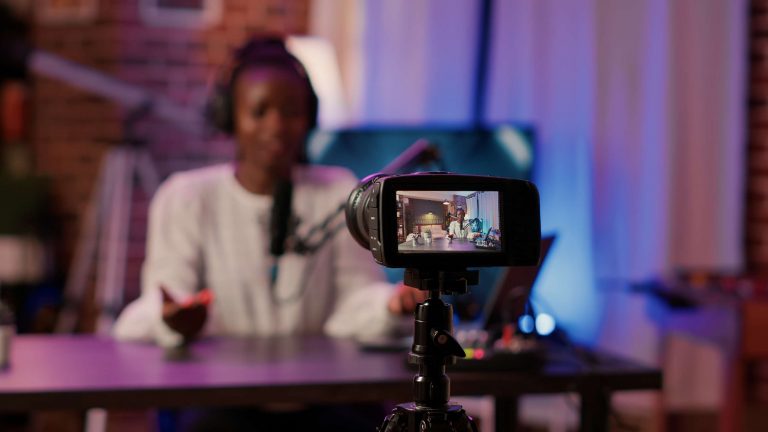
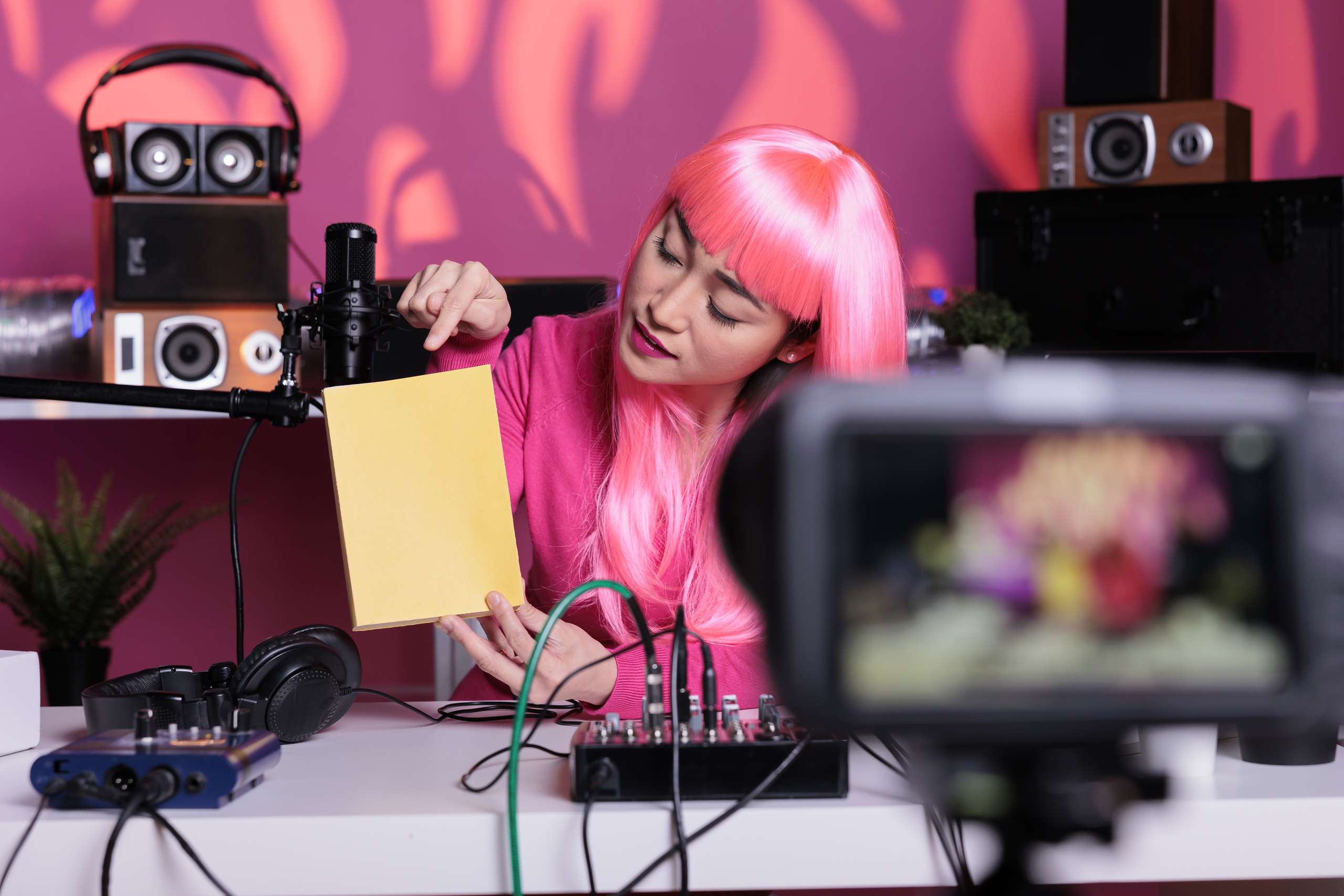
In a world that is increasingly digital, capturing and retaining the attention of new audiences through story-telling has become one of the most critical skills for any creator. At heart, visual storytelling is what takes it beyond image capture and moves the images to resonate emotionally and intellectually. Each decision with shots and lighting or color and composition, works to enhance the emotional payload of the narrative. Achieving this through video production is about the proper combination of these components working together to take an audience on a ride that feels real and matters.
Painting Open & The Psychology Of Perception Understanding the psychology of vision is important information for artists. And how we receive the movement, focus and transitions impacts what we take away from the story. With the intention to tease visual prompt, narrators pull emotional triggers, create a focus and attention anchors in their story throughout. What that requires is an intelligent compromise between mechanical skill and the artist’s intuition, so that every choice contributes to the story rather than takes away from it. Developing the ability to see the story opportunities in every frame is a critical element toward mastery.
One other key element of visual storytelling is creating a unified theme or message. The concept is the heart of any effective video, whether it’s a documentary touching on important social themes, a branded promotional about a product, or a short film as an individual vision. Just as creators need to ensure all elements of a story structure, pace and visual have this central concept guide built in. This uniformity helps improve the engagement of your audience and makes it clear what your content is trying to say.
One should be aware of the tools, technology and techniques that are at the disposal when trying to create a video narrative too. Todays cameras, drones and editing apps offer creative freedom like never before, but they also require technical know-how. By becoming an expert in these tools, creators can then execute their vision to precision without removing the possibility of improvisation and experimentation. Learning to use technology without letting it take over the story is a fundamental skill for any videomaker.
Lastly, the road to becoming an effective visual raconteur is iterative — and reflective. There’s always something to learn, try and do better. Positive peer and audience critique helps determine what’s working so you can play on your strengths. Through constant iteration on the higher-level processes of storytelling and style, creators can improve upon their work and develop into storytellers whose video content has depth not just in terms of its technical expertise, but also emotionally. Herein, visual storytelling is not a skill to master but a lifelong journey in pursuit of creative excellence.