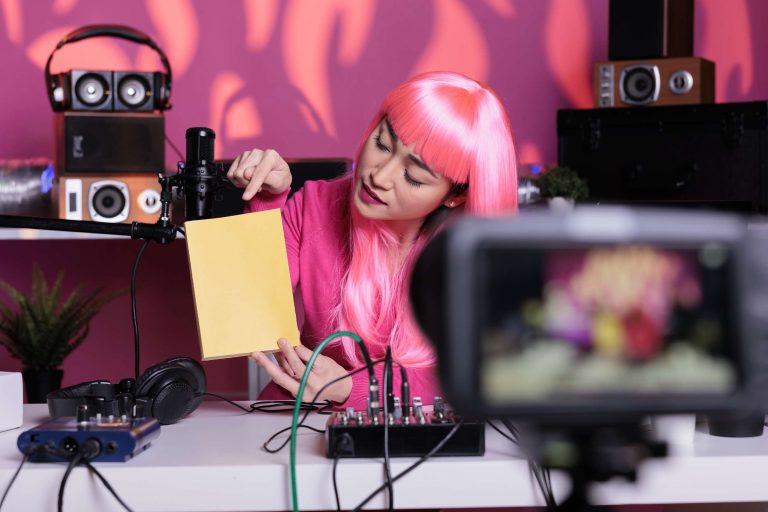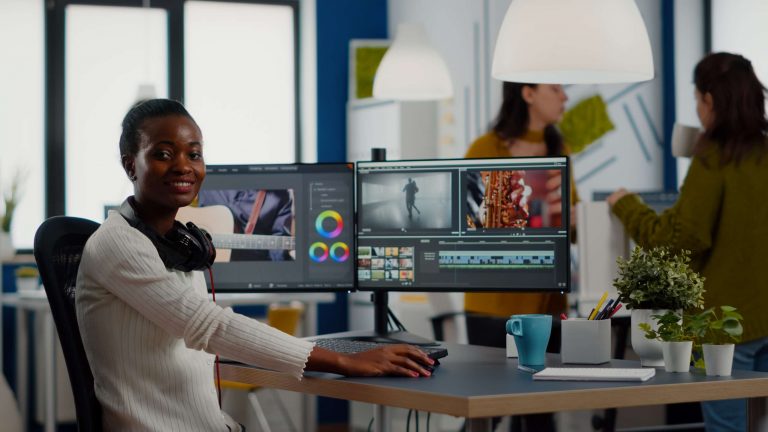
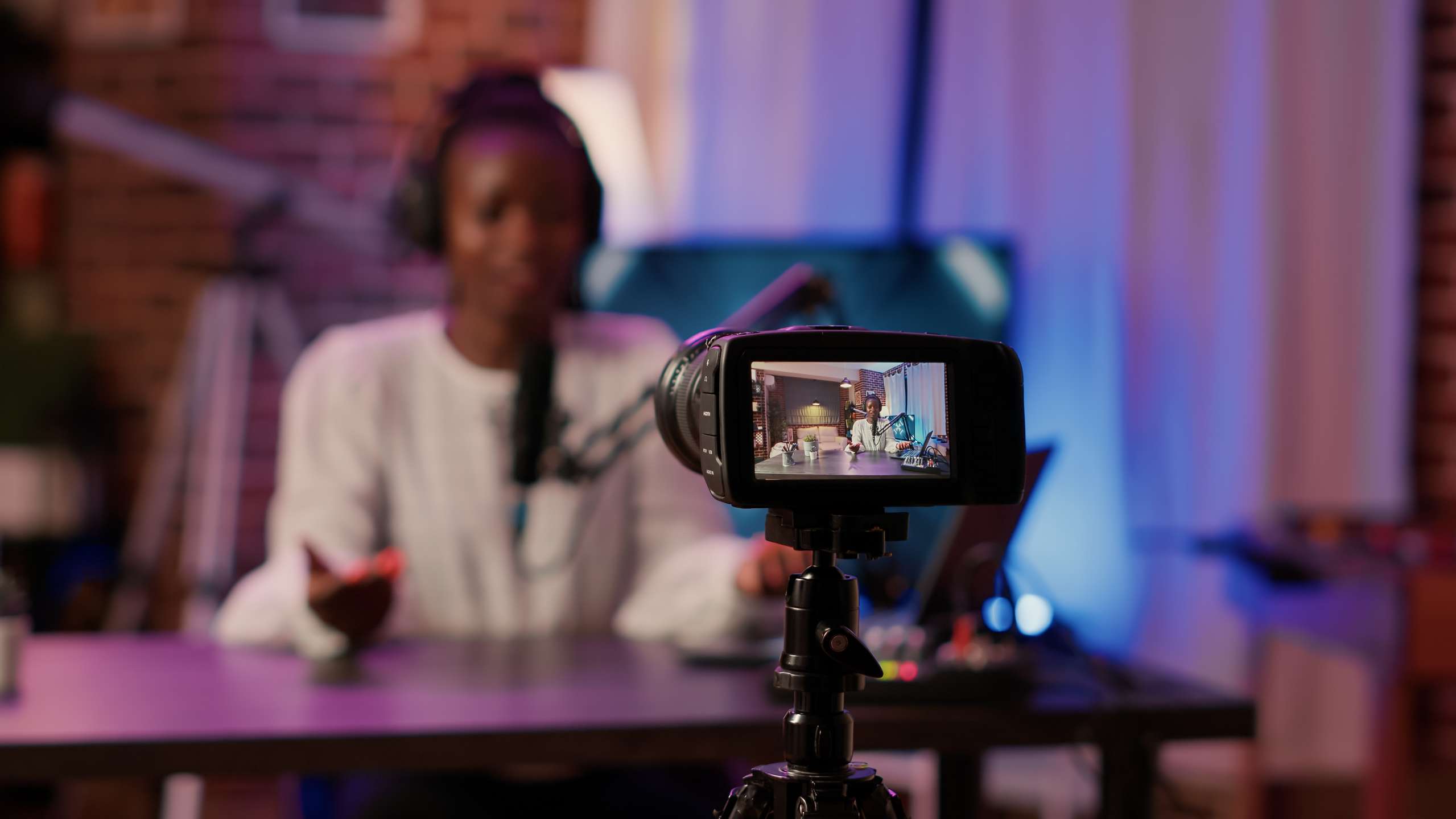
It’s not a skill set to be learned in isolation - it is an entire experience; creative, practicable, and reflective. The transition from novice to proficient creator is a process of learning the basics (how to compose, light and work your camera) and then slowly adding on further skills (editing, sound work and VFX). Each part of the project adds to the students instruction by creating multiple layers or reinforcing previous knowledge, providing a solid way for them to tackle projects with both vision and self confidence.
The path of learning is most effective when there’s a balance between directed practice and free expression. Lessons are clearly organized with lesson plans provided for each graded course, so you can be sure your children will master the material as they work systematically through the courses. Simultaneously, by any experimenting of the learner, they enhance problem solving and shape an individual stylistic approach.” By finding this balance, students have the freedom to use their skill set across varied projects, turning knowledge into actual polished outputs.
Back and forth, up and down are both part of the process. Positive feedback from teachers and peers greatly assist students to see what needs to be worked on, what they are doing great in, and how to perfect their work. Reflection slows learners down, allowing them to evaluate their creative decisions, think about different avenues they could have taken, and absorb learnings in order to apply them to the work ahead. This continuous process of practice, feedback and improvement builds musicianship — judgment / self-awareness on one hand and technical abilities along the other.
Working together also makes for a richer learning experience. Collaborating with other makers introduces students to a variety of mindsets, methodologies and methods for solving problems. Partnership activities mirror real production environments—requiring teamwork, communication, agility—all are essential when working together. Exposure allows for practical experience to develop the technical and human side, so participants can learn from one another more than just a task – but towards professional development.
In the end, becoming a master of the video production journey is not only about skill; it’s also about mindset. Students who are engaged as learners not only become successful makers, but also emerge as confident storytellers who can transform conceptual thinking into persuasive visual storytelling. Looking to these mediums for inspiration, students are venturing into the future where technology is constantly emerging and content produced can potentially set new paradigms or upend existing ones, making relevance more important than ever.