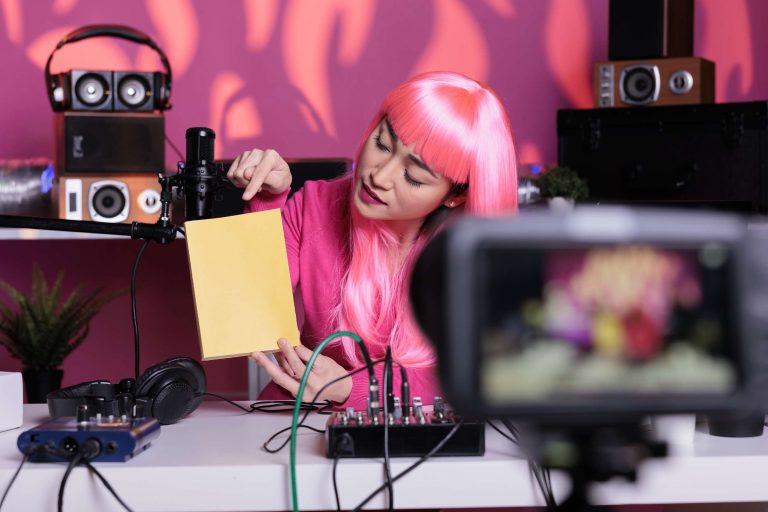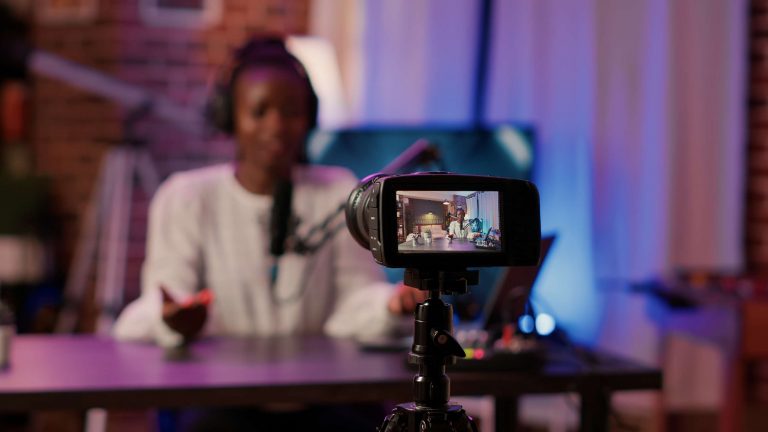
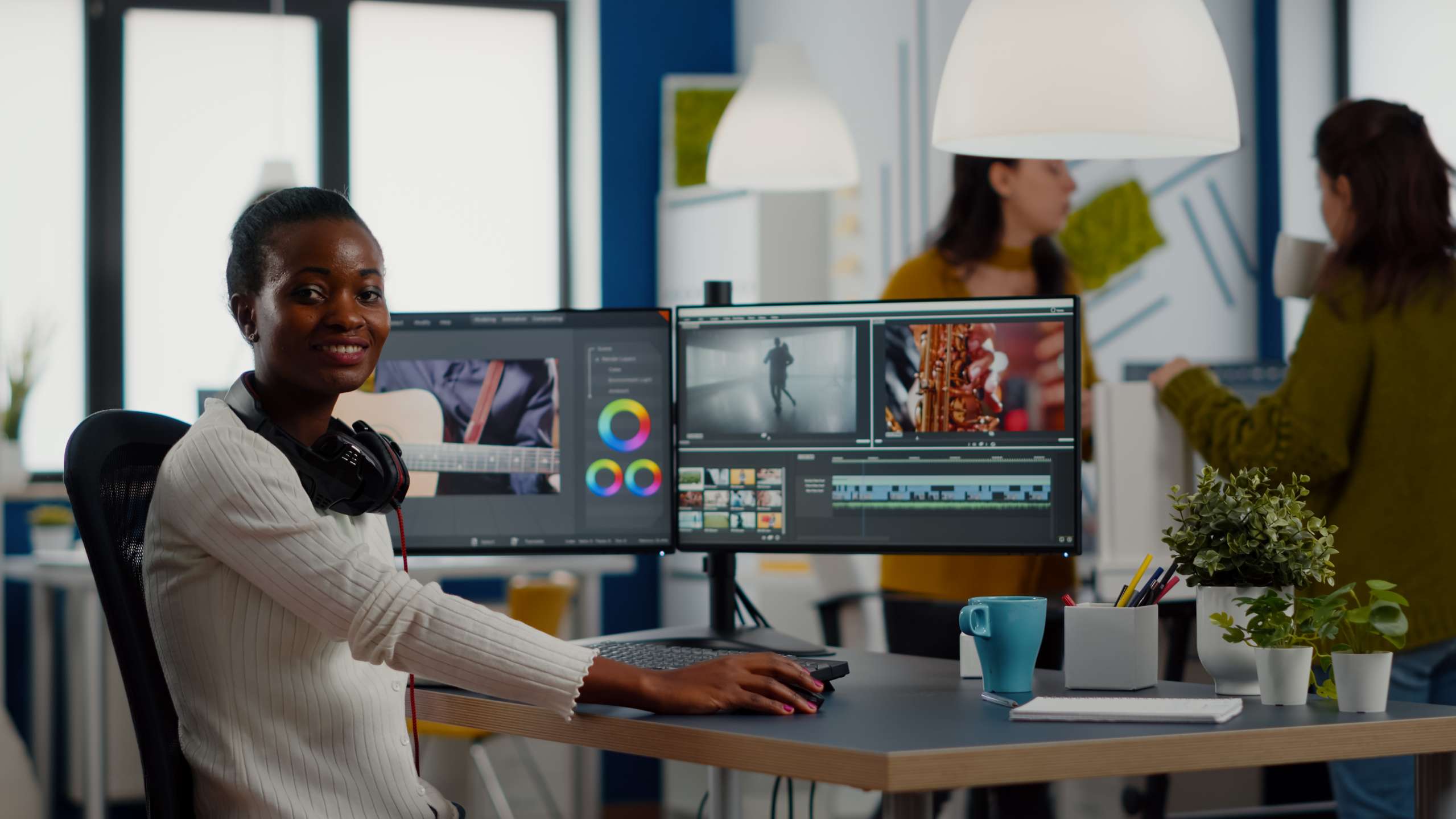
Hands on training has become one of the best ways to learn video production because it is more focused on participation than sitting back and observing. At most courses, students are filled with theories but they rarely get a chance to use these in practice. When students work directly with cameras, lighting setups and editing software, they build confidence and learn functions necessary for skill development. With each project, students see their studio as a laboratory for experimentation where they can try out new methods and find their own voice.
Learning by doing also promotes problem-solving skills and the ability to think on one’s feet. Video is an inherently volatile medium: While variables such as light, camera movement and sound can be controlled, there are also unpredictable elements that must be allowed to play out in order to get good or even great footage/footage. The hands-on experience puts learners in these difficult positions, forcing them to think on their feet and make rapid changes to succeed while facing obstacles. This hands-on experience helps them develop a skillset to manage real-world projects, and prepares them for the professional world where quick adaptation is key.
Cooperative projects also help in reinforcing effective communication, teamwork, and collective creativity. By collaborating with peers, students discuss ideas comment on each other’s work and see things from a new angle. This communal setting reflects the real-world production environment, where the success of combinations is frequently contingent on shared effort and communication. Participating in projects in a group setting enables students to sharpen their technical skills and builds the interpersonal skills needed for rewarding careers Share with Friends Both commercially successful and psychically spiritual, Austin Texas video production companies know producing a music video begins with the fulfillment of creating something out of nothing.
Feedback is essential in active learning. After every project, students reflect on their work, what was effective about it and what could have been better. Teachers and classmates give constructive feedback on what could be done better, or differently. This action, reflection and feedback loop leads to continuous improvement and invites a growth mentality where failure is considered an opportunity for learning, not as defeat.
At last, hands-on video learning teaches students to turn concepts into concrete results. When experiential learning, creative experimentation, collaboration and reflective critique are braided together learners gain a rich fabric for their construction of purposeful capabilities beyond technical skill. This experiential positioning not only prepares students to created professional video and animation, it develops the confidence and creativity for undertaking challenging projects in mastering the art of video production.